Por NuzaBy Nuza
Es una de las quejas más comunes que existen: «me duele la rodilla». A veces al subir escaleras, a veces al ponerse de cuclillas, a veces sin razón aparente. Y casi siempre la persona busca el problema justo donde duele — en la rodilla — cuando la causa suele estar en otro lado.
It's one of the most common complaints there is: "my knee hurts." Sometimes going up stairs, sometimes squatting down, sometimes for no apparent reason. And almost always you look for the problem right where it hurts — in the knee — when the cause is usually somewhere else.
En este artículo vamos a entender por qué la rodilla es tan vulnerable, por qué muchas veces lo que le pasa empieza en el pie o en la cadera, y qué puedes hacer para cuidarla — dentro y fuera del tapete.
In this article we'll understand why the knee is so vulnerable, why what happens to it often starts in the foot or the hip, and what you can do to care for it — on and off the mat.
Una bisagra entre dos jefesA hinge between two bosses
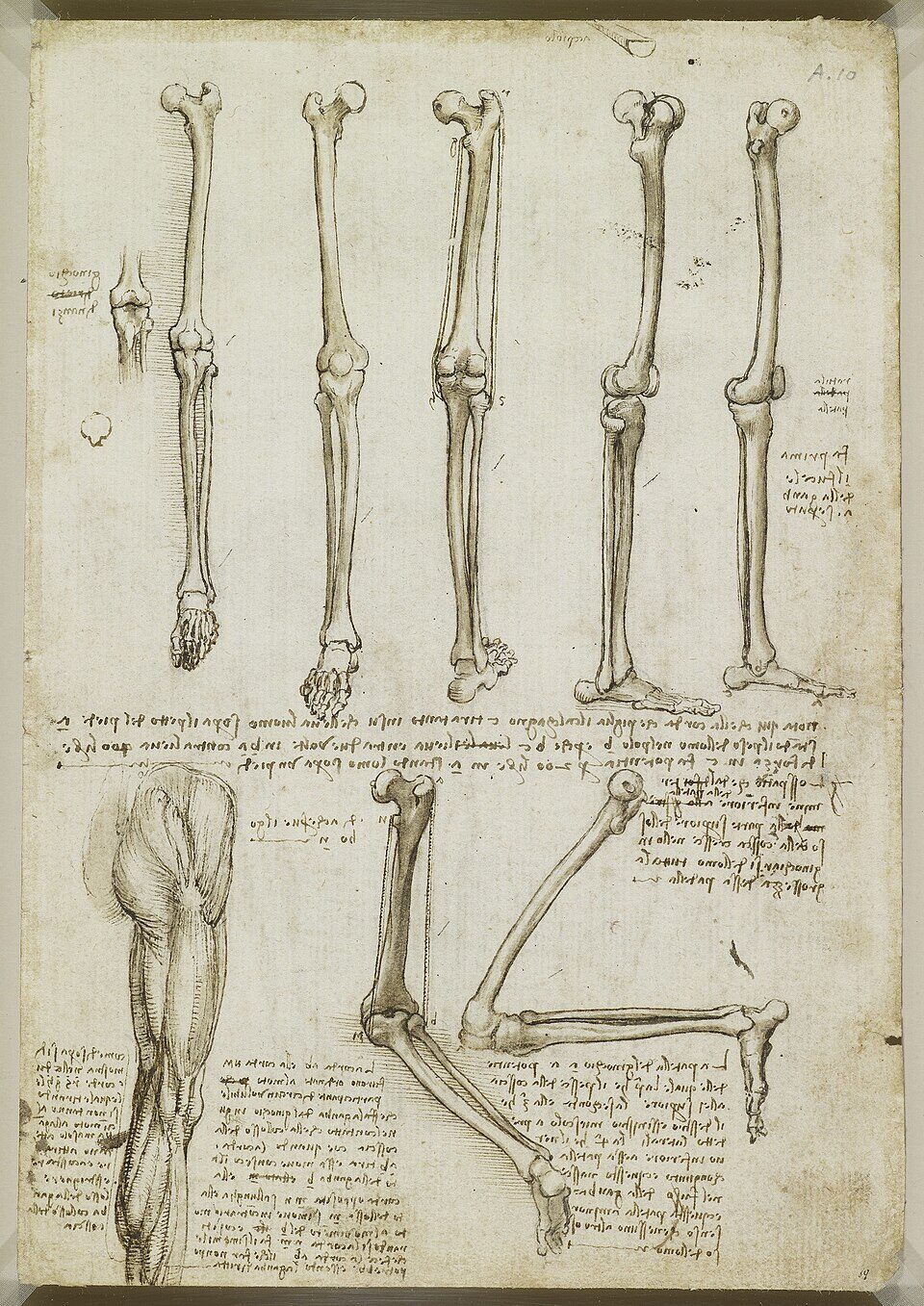
La rodilla es, básicamente, una bisagra. Está hecha para una cosa: doblarse y estirarse. Hace muy bien ese movimiento y, en cambio, odia girar: no está diseñada para torcerse de lado. El problema es que la rodilla vive atrapada entre dos articulaciones que sí giran muchísimo — la cadera por arriba y el tobillo por abajo —. Cuando alguna de esas dos no hace bien su trabajo, la rodilla termina pagando el plato roto en medio.
The knee is, basically, a hinge. It's made for one thing: to bend and to straighten. It does that movement very well and, on the other hand, hates to rotate: it isn't designed to twist sideways. The problem is that the knee lives trapped between two joints that do rotate a great deal — the hip above and the ankle below. When either of those two doesn't do its job well, the knee ends up paying the price in the middle.
Dicho de otro modo: muchas veces la rodilla no es la culpable, es la víctima. Duele ahí, pero el desajuste viene de arriba o de abajo.
In other words: many times the knee isn't the culprit, it's the victim. It hurts there, but the imbalance comes from above or below.
Muchas veces empieza en la pisadaIt often starts in how you step
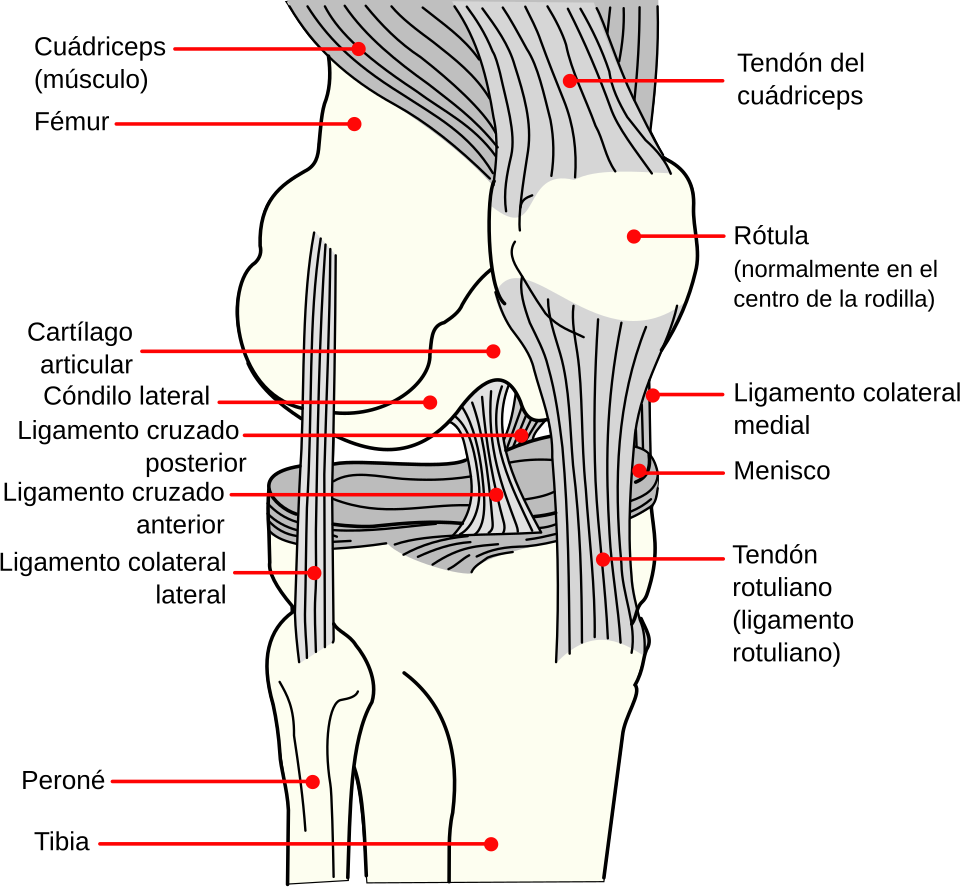
Mira hacia abajo. La forma en que tu pie aterriza en el suelo manda información hacia arriba por toda la pierna. Cuando el arco del pie se vence hacia dentro al pisar — lo que se llama pronación, y en exceso es muy común — el hueso de la espinilla rota hacia dentro con él. Y como la rodilla está justo encima, esa rotación la arrastra: la rodilla se mete hacia dentro a cada paso.
Look down. The way your foot lands on the ground sends information up through the whole leg. When the arch of the foot collapses inward as you step — what's called pronation, and in excess is very common — the shinbone rotates inward with it. And since the knee is right above, that rotation drags it along: the knee caves inward with every step.
Multiplica eso por los miles de pasos que das al día y entiendes por qué un detalle tan pequeño como cómo apoyas el pie puede, con el tiempo, irritar la rodilla.
Multiply that by the thousands of steps you take each day and you understand why something as small as how you place your foot can, over time, irritate the knee.
Y sigue en la caderaAnd it continues at the hip
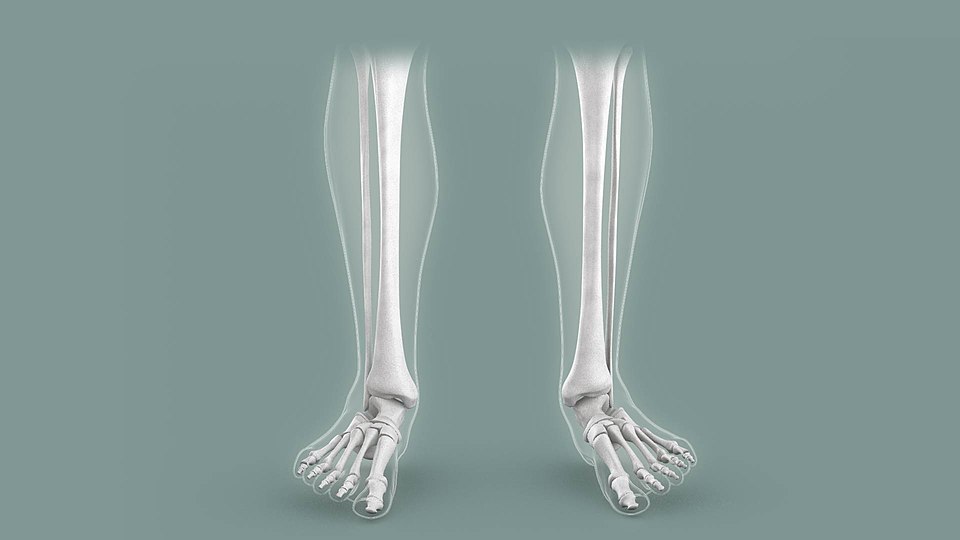
Ahora mira hacia arriba. Los músculos del glúteo tienen un trabajo silencioso pero clave: sostener la pierna en su sitio y evitar que la rodilla se desplome hacia dentro. Cuando esos músculos están débiles o dormidos — algo casi universal en quien pasa el día sentado — pierden ese control, y otra vez la rodilla se va hacia dentro.
Now look up. The glute muscles have a quiet but crucial job: to hold the leg in place and keep the knee from collapsing inward. When those muscles are weak or asleep — something almost universal in anyone who spends the day sitting — they lose that control, and once again the knee caves inward.
Esa caída hacia dentro tiene nombre: valgo. Y es uno de los patrones detrás del dolor más típico, el que se siente alrededor o detrás de la rótula, sobre todo al bajar escaleras o al estar mucho rato sentado. Se le llama dolor patelofemoral, y rara vez es por la rodilla en sí: casi siempre es por lo que pasa en la cadera y en el pie.
That inward collapse has a name: valgus. And it's one of the patterns behind the most typical pain, the one felt around or behind the kneecap, especially going down stairs or after sitting for a long time. It's called patellofemoral pain, and it's rarely about the knee itself: almost always it's about what's happening at the hip and the foot.
La clave: que la rodilla apunte a donde apunta el pieThe key: let the knee point where the foot points
Si hay una sola idea que llevarte, es esta: tu rodilla está contenta cuando se dobla en la misma dirección en la que apunta tu pie. Cuando te pones de cuclillas, cuando bajas en una sentadilla, cuando flexionas en una postura, la rodilla debería viajar por encima del pie — no caerse hacia el dedo gordo ni irse hacia afuera. Ese pequeño detalle de alineación le quita encima una enorme cantidad de desgaste.
If there's one idea to take with you, it's this: your knee is happy when it bends in the same direction your foot is pointing. When you squat down, when you sink into a squat, when you bend in a posture, the knee should travel over the foot — not fall toward the big toe nor drift outward. That small detail of alignment takes an enormous amount of wear off it.
Qué puedes hacerWhat you can do
La buena noticia: como casi nunca es la rodilla la del problema, casi siempre se puede mejorar trabajando lo de arriba y lo de abajo.
The good news: since the knee is almost never the one with the problem, you can almost always improve things by working on what's above and below it.
Despierta el glúteoWake up the glute
El puente (Setu Bandhāsana: acostada boca arriba, pies apoyados, subir la cadera) y la almeja (de lado, rodillas dobladas, abrir la de arriba sin girar la pelvis) son dos de los ejercicios más sencillos para reactivar los músculos que sostienen la rodilla. Pocas repeticiones, bien hechas, todos los días, valen más que muchas mal hechas.
The bridge (Setu Bandhāsana: lying on your back, feet planted, lifting the hips) and the clam (on your side, knees bent, opening the top knee without rotating the pelvis) are two of the simplest exercises for reactivating the muscles that hold the knee. A few repetitions, done well, every day are worth more than many done poorly.
Devuélvele vida al pieBring the foot back to life
Descálzate. Practica abrir y separar los dedos, agarrar una toalla con ellos, sostenerte en un pie buscando estabilidad. Un pie fuerte y con arco activo es el primer filtro que protege la rodilla desde abajo.
Take off your shoes. Practice spreading and splaying the toes, gripping a towel with them, balancing on one foot to find stability. A strong foot with an active arch is the first filter that protects the knee from below.
Y un truco que se siente increíble: rueda una pelota pequeña y firme bajo la planta del pie, despacio, de los dedos al talón y de lado a lado. Despierta el arco, libera la fascia de la planta y, como todo está conectado hacia arriba, suelta también la tensión de la pierna. Tres minutos por pie, al final del día, hacen una diferencia enorme.
And a trick that feels incredible: roll a small, firm ball under the sole of the foot, slowly, from the toes to the heel and side to side. It wakes up the arch, releases the fascia of the sole and, since everything is connected upward, also lets go of tension in the leg. Three minutes per foot, at the end of the day, make an enormous difference.
En el tapeteOn the mat
En cualquier postura con la rodilla doblada — el guerrero (Vīrabhadrāsana), la silla (Utkaṭāsana), las estocadas (Añjaneyāsana) — revisa que la rodilla apunte hacia el segundo y tercer dedo del pie, sin colapsar hacia dentro. Y en posturas de mucha flexión profunda o de loto (Padmāsana), nunca fuerces la rodilla a girar: el giro debe venir de la cadera, no de la rodilla.
In any posture with a bent knee — warrior (Vīrabhadrāsana), chair (Utkaṭāsana), lunges (Añjaneyāsana) — check that the knee points toward the second and third toes, without collapsing inward. And in postures with deep flexion or in lotus (Padmāsana), never force the knee to rotate: the rotation should come from the hip, not the knee.
Cuándo ver a alguienWhen to see someone
Si la rodilla se hincha, se traba, te falla o cede, si hubo un golpe o una torcedura fuerte, o si el dolor es agudo y no cede, no lo trabajes por tu cuenta: ve con un fisioterapeuta o un médico.
If the knee swells, locks, gives out or buckles, if there was a blow or a bad twist, or if the pain is sharp and doesn't let up, don't work on it on your own: see a physical therapist or a doctor.
La mayoría de las rodillas que duelen están pidiendo que mires un poco más arriba y un poco más abajo. Cuando el pie pisa mejor y la cadera vuelve a hacer su trabajo, la bisagra del medio por fin puede descansar.
Most knees that hurt are asking you to look a little higher and a little lower. When the foot steps better and the hip goes back to doing its job, the hinge in the middle can finally rest.
ReferenciasReferences
- Powers, C. M. (2010). The influence of abnormal hip mechanics on knee injury: a biomechanical perspective. Journal of Orthopaedic & Sports Physical Therapy, 40(2), 42–51.
- Crossley, K. M. et al. (2016). 2016 Patellofemoral pain consensus statement. British Journal of Sports Medicine, 50(14).
- Barton, C. J. et al. (2010). Foot and ankle characteristics in patellofemoral pain syndrome. Journal of Orthopaedic & Sports Physical Therapy, 40(5).
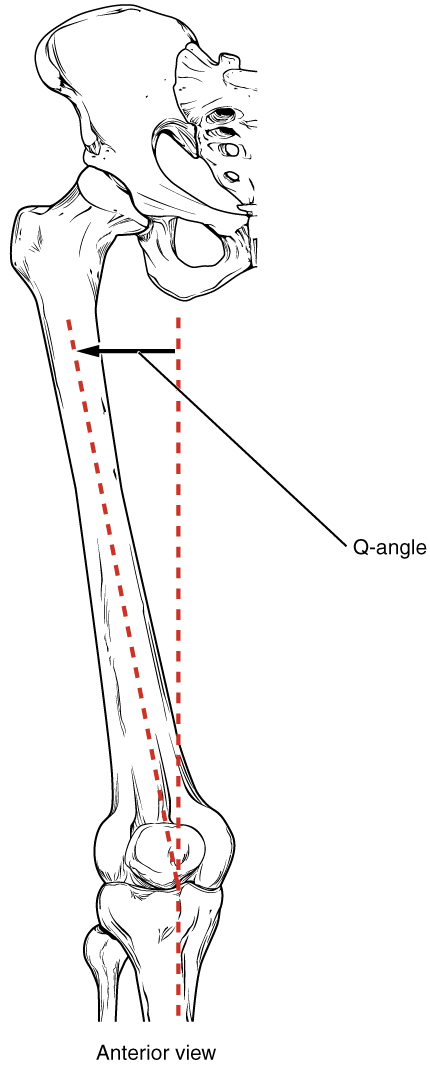
Créditos de imágenes: estudio de la pierna de Leonardo da Vinci (c. 1510–11), dominio público. Diagrama de la rodilla y ángulo Q (OpenStax, CC BY) e imagen de la pronación, vía Wikimedia Commons.
Image credits: study of the leg by Leonardo da Vinci (c. 1510–11), public domain. Knee diagram and Q angle (OpenStax, CC BY) and the pronation image, via Wikimedia Commons.