Por NuzaBy Nuza
«Cuando la respiración es inquieta, la mente es inquieta. Cuando la respiración se aquieta, la mente se aquieta.»"When the breath is unsteady, the mind is unsteady. When the breath grows still, the mind grows still." Haṭha Yoga Pradīpikā, capítulo 2, verso 2 (texto del siglo XV atribuido a Svātmārāma)Haṭha Yoga Pradīpikā, chapter 2, verse 2 (15th-century text attributed to Svātmārāma)
Esta frase fue escrita hace más de quinientos años.
These words were written more than five hundred years ago.
En este artículo vamos a ver por qué esa frase es cierta: qué es el sistema nervioso autónomo, por qué tu respiración lo refleja como un espejo, y cómo puedes usarla para regularlo.
In this article we'll look at why that's true: what the autonomic nervous system is, why your breath mirrors it, and how you can use it to regulate it.

El piloto automático de tu cuerpoYour body's autopilot
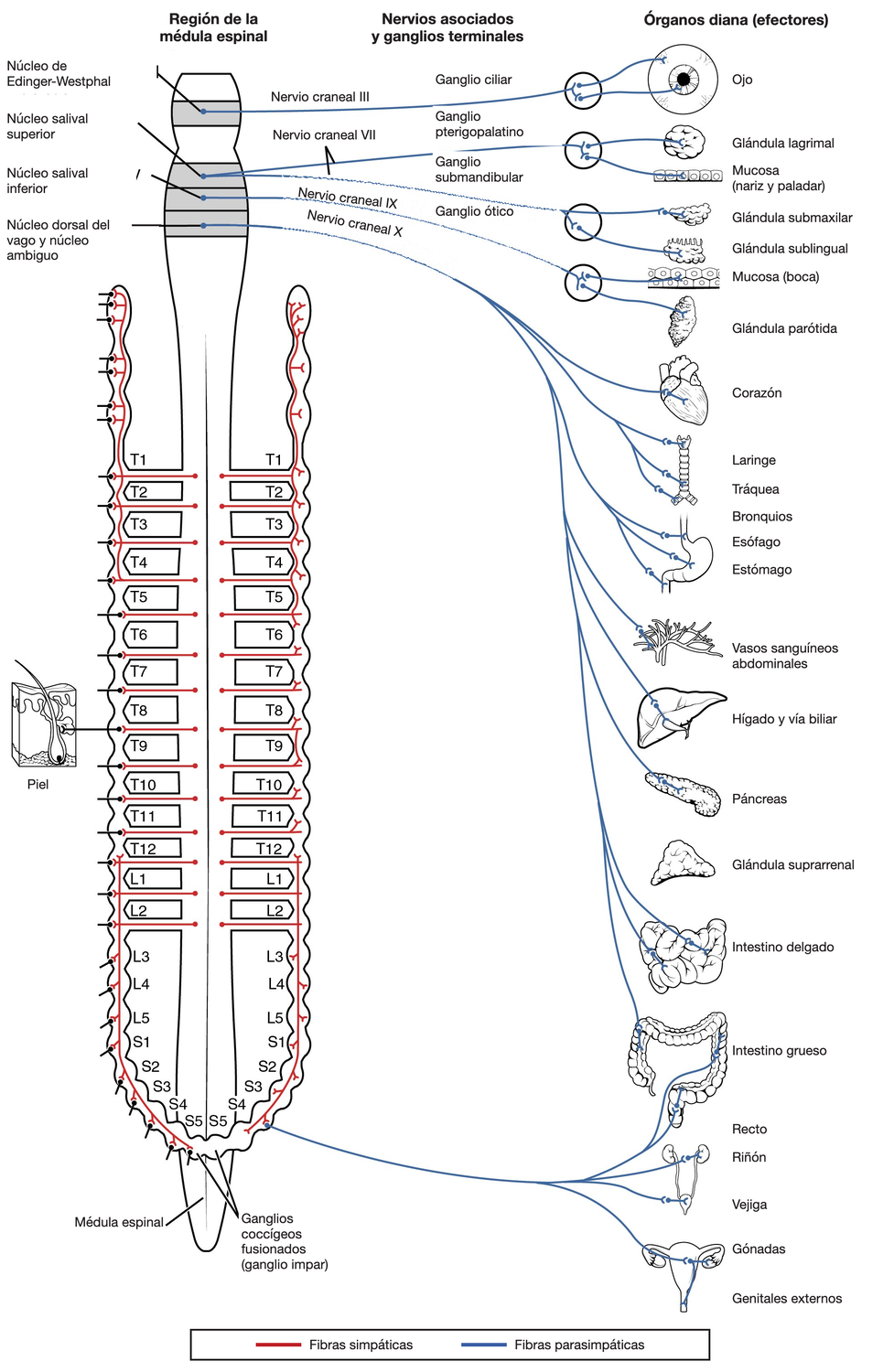
Dentro de tu cuerpo hay un sistema que se encarga de todo lo que pasa sin que tú lo pienses: que el corazón lata, que la comida se digiera, que la temperatura se mantenga, que las pupilas se ajusten a la luz. Se llama sistema nervioso autónomo, y trabaja solo, día y noche.
Inside your body there's a system that takes care of everything that happens without you thinking about it: your heart beating, your food digesting, your temperature holding steady, your pupils adjusting to the light. It's called the autonomic nervous system, and it works on its own, day and night.
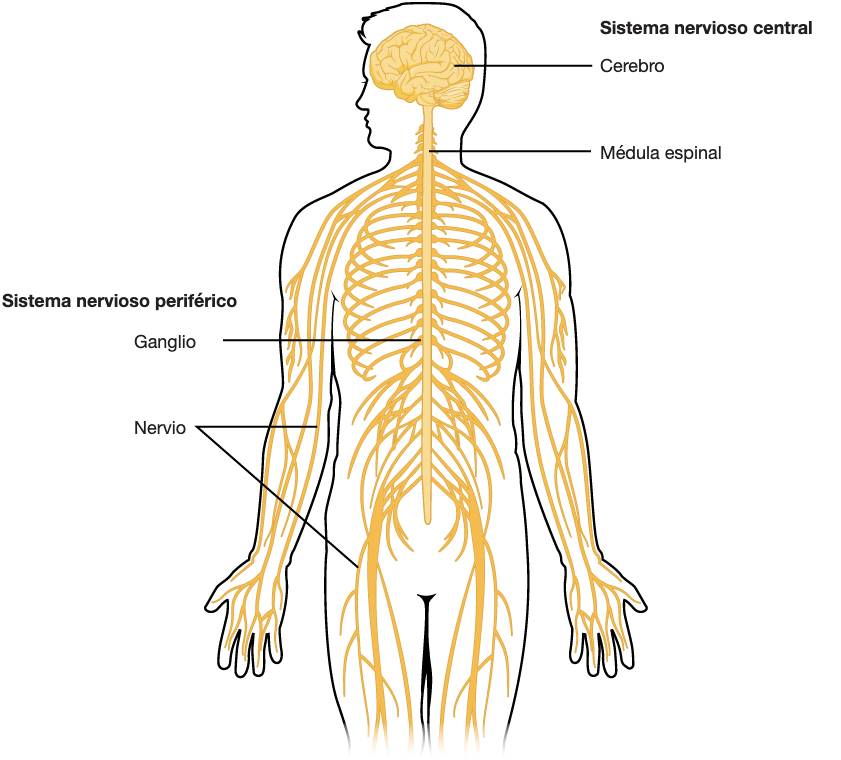
Tiene dos partes que trabajan como contrapesos:
It has two parts that work as counterweights:
El sistema simpático es el acelerador. Se activa ante un desafío o una amenaza —real o imaginada— y prepara al cuerpo para actuar: el corazón se acelera, los músculos reciben más sangre, la respiración se vuelve rápida y corta. Es el estado conocido como lucha o huida (fight or flight).
The sympathetic system is the accelerator. It kicks in when there's a challenge or a threat —real or imagined— and gets the body ready to act: the heart speeds up, the muscles get more blood, the breath turns fast and short. It's the state known as fight or flight.
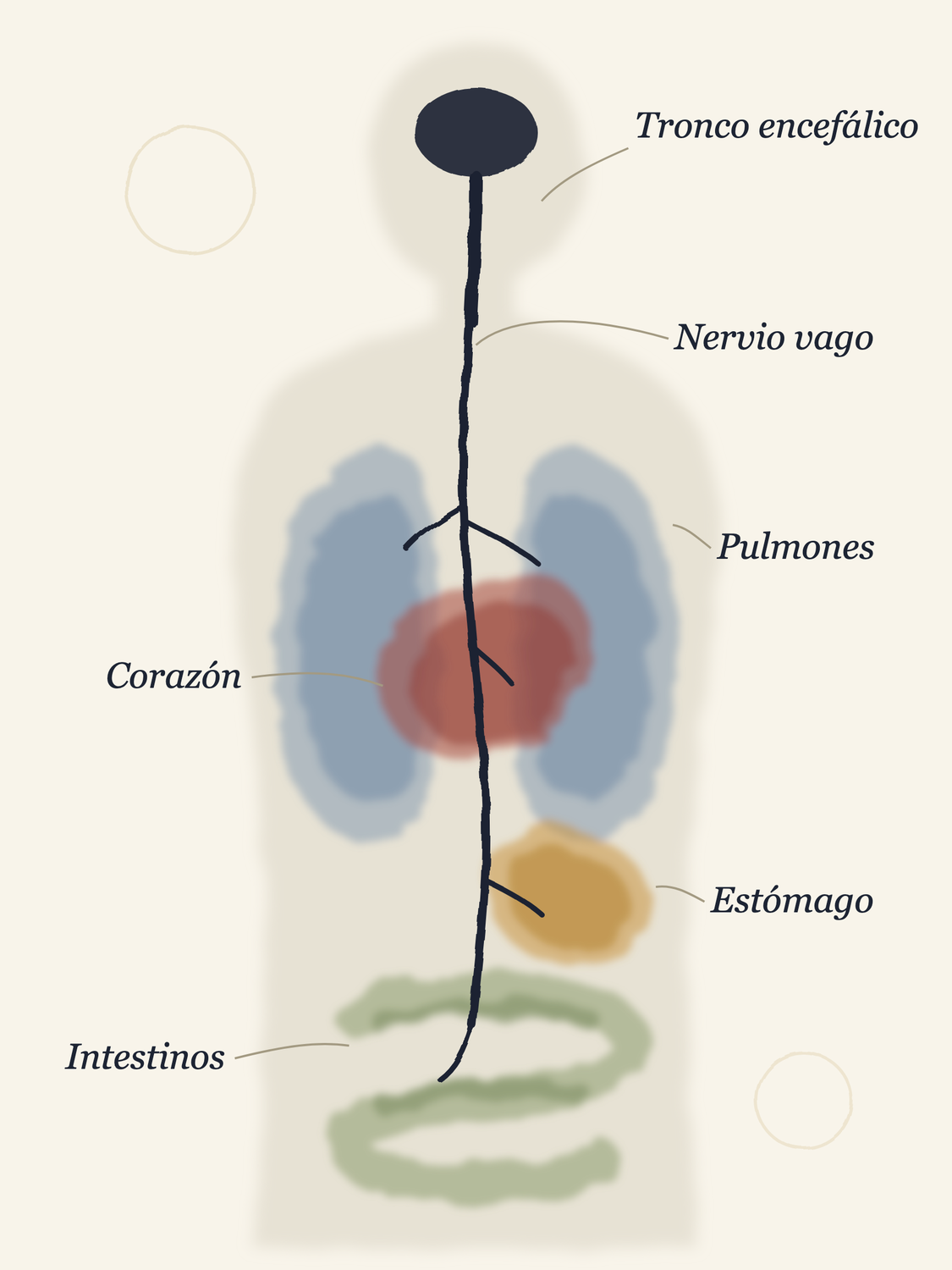
El sistema parasimpático es el freno. Domina cuando el cuerpo se siente seguro: baja el pulso, activa la digestión, repara tejidos. Es el estado de descanso y digestión (rest and digest). Su vía principal es el nervio vago, el nervio más largo del sistema autónomo, que baja desde el tronco del encéfalo y conecta corazón, pulmones e intestinos.
The parasympathetic system is the brake. It takes over when the body feels safe: the pulse drops, digestion switches on, tissues repair. It's the state of rest and digest. Its main pathway is the vagus nerve, the longest nerve of the autonomic system, which descends from the brainstem and connects the heart, lungs, and intestines.
Ninguno de los dos es «bueno» o «malo». El simpático te permite levantarte de la cama, sostener una postura de equilibrio, responder a una emergencia.
Neither one is "good" or "bad." The sympathetic lets you get out of bed, hold a balancing posture, respond to an emergency.
El problema aparece cuando vivimos con estrés constante: es como manejar con el acelerador pisado todo el día. Con el tiempo, el cuerpo se acostumbra a ese estado y le cuesta cada vez más volver a la calma.
The trouble shows up when we live with constant stress: it's like driving with the accelerator pressed down all day. Over time, the body gets used to that state and finds it harder and harder to return to calm.
Por qué la respiración es el espejoWhy the breath is the mirror
De todas las funciones que gestiona el sistema autónomo, la respiración es la única que también obedece a la voluntad. No puedes decidir el ritmo de tu corazón ni la velocidad de tu digestión, pero puedes decidir cuándo inhalar y cuánto exhalar. La respiración vive en la frontera entre lo involuntario y lo voluntario, y por eso funciona en las dos direcciones: como espejo y como palanca.
Of all the functions the autonomic system manages, the breath is the only one that also answers to your will. You can't decide your heart rate or the speed of your digestion, but you can decide when to inhale and how long to exhale. The breath lives on the border between the involuntary and the voluntary, and that's why it works in both directions: as a mirror and as a lever.
Como espejo: cada estado del sistema nervioso tiene una firma respiratoria. La ansiedad respira alto, rápido y en el pecho. La calma respira lento, bajo y en el abdomen. El llanto, la risa, el susto y el sueño profundo respiran tan distinto que podrías reconocer cada uno solo por su patrón, sin ver a la persona. Tu respiración de este momento es un retrato bastante fiel de tu estado interno de este momento.
As a mirror: every state of the nervous system has a breathing signature. Anxiety breathes high, fast, and in the chest. Calm breathes slow, low, and in the belly. Crying, laughter, fright, and deep sleep breathe so differently that you could recognize each one by its pattern alone, without seeing the person. Your breath right now is a fairly faithful portrait of your inner state right now.
En 2017, científicos de Stanford descubrieron que dentro de tu cerebro hay un grupo diminuto de neuronas —unas 175, nada más— cuyo único trabajo es vigilar cómo respiras y reportarlo al centro de alerta del cerebro: la zona que decide si estás en calma o en pánico.
In 2017, scientists at Stanford discovered that inside your brain there's a tiny cluster of neurons —only about 175 of them— whose only job is to watch how you breathe and report it to the brain's alarm center: the area that decides whether you're calm or in a panic.
Cuando tu respiración es rápida y cortada, ese reporte le dice al cerebro que algo anda mal y que se mantenga alerta. Cuando es lenta y profunda, le dice que todo está en orden y que puede soltar.
When your breath is fast and choppy, that report tells the brain something is wrong and to stay on alert. When it's slow and deep, it tells the brain that all is well and it can let go.
Para probarlo, apagaron esas neuronas en ratones. Los ratones siguieron respirando normal, porque estas neuronas no controlan la respiración, solo la observan. Pero pasó algo más: dejaron de estresarse. Un ratón en un lugar desconocido normalmente se pone nervioso, explora, olfatea, vigila. Estos se quedaban echados, acicalándose como si estuvieran en casa (Yackle et al., Science, 2017). El cerebro ya no recibía el reporte de la respiración, así que la alarma nunca se encendía.
To test it, they switched those neurons off in mice. The mice kept breathing normally, because these neurons don't control the breath, they only watch it. But something else happened: they stopped getting stressed. A mouse in an unfamiliar place usually turns nervous, exploring, sniffing, on guard. These ones lay down, grooming themselves as if they were at home (Yackle et al., Science, 2017). The brain was no longer getting the breath's report, so the alarm never went off.
Y esto es lo importante: tu respiración no solo muestra cómo estás, también le dice a tu cerebro cómo estar. Si cambias el patrón, cambias el mensaje. Por eso respirar lento funciona, no como «relajación mental», sino como una instrucción directa al sistema de alarma de tu cuerpo.
And here's the key: your breath doesn't just show how you are, it also tells your brain how to be. If you change the pattern, you change the message. That's why slow breathing works, not as "mental relaxation," but as a direct instruction to your body's alarm system.
El nervio vago y el ritmo escondido del corazónThe vagus nerve and the heart's hidden rhythm
Hay un segundo mecanismo, y ocurre en cada respiración de tu vida: cuando inhalas, el corazón se acelera ligeramente; cuando exhalas, se frena. Este vaivén se llama arritmia sinusal respiratoria. Ocurre porque durante la exhalación el nervio vago aplica su freno sobre el corazón, y durante la inhalación lo suelta.
There's a second mechanism, and it happens with every breath of your life: when you inhale, the heart speeds up slightly; when you exhale, it slows down. This back-and-forth is called respiratory sinus arrhythmia. It happens because during the exhale the vagus nerve applies its brake on the heart, and during the inhale it releases it.
Esto tiene una consecuencia práctica enorme: cada vez que exhalas, tu cuerpo se calma un poco, porque la exhalación es el momento del ciclo en el que el freno está puesto. Entonces, si alargas la exhalación, el freno actúa durante más tiempo. Por eso casi todas las técnicas de calma —en el yoga, en la terapia, en el entrenamiento militar— comparten la misma estructura: exhalar más largo de lo que se inhala.
This has an enormous practical consequence: every time you exhale, your body calms down a little, because the exhale is the moment in the cycle when the brake is on. So if you lengthen the exhale, the brake stays engaged longer. That's why almost every calming technique —in yoga, in therapy, in military training— shares the same structure: exhale longer than you inhale.
Hay una forma de medir qué tan bien funciona ese freno. Tu corazón no late como un metrónomo: el tiempo entre un latido y el siguiente cambia constantemente, aunque no lo sientas. Esa pequeña variación es buena señal —significa que tu sistema es flexible, que puede acelerar cuando hace falta y frenar cuando ya pasó el momento. Los científicos la llaman variabilidad de la frecuencia cardíaca (HRV) y la usan como termómetro de la calma: cuanta más variabilidad, mejor se autorregula tu cuerpo.
There's a way to measure how well that brake works. Your heart doesn't beat like a metronome: the time between one beat and the next changes constantly, even if you don't feel it. That small variation is a good sign —it means your system is flexible, able to speed up when needed and slow down once the moment has passed. Scientists call it heart rate variability (HRV) and use it as a thermometer of calm: the more variability, the better your body regulates itself.
Y aquí viene lo interesante: existe un ritmo de respiración que lleva esa variabilidad a su punto máximo. Es alrededor de seis respiraciones por minuto: unos cinco segundos inhalando y cinco exhalando (Lehrer y Gevirtz, Frontiers in Psychology, 2014). A ese ritmo, el corazón y la respiración se sincronizan, y el cuerpo entra en su estado más estable y tranquilo.
And here's the interesting part: there's a breathing rhythm that brings that variability to its peak. It's around six breaths per minute: roughly five seconds inhaling and five exhaling (Lehrer and Gevirtz, Frontiers in Psychology, 2014). At that rhythm, the heart and the breath synchronize, and the body settles into its most stable, peaceful state.
El músculo que respira por tiThe muscle that breathes for you
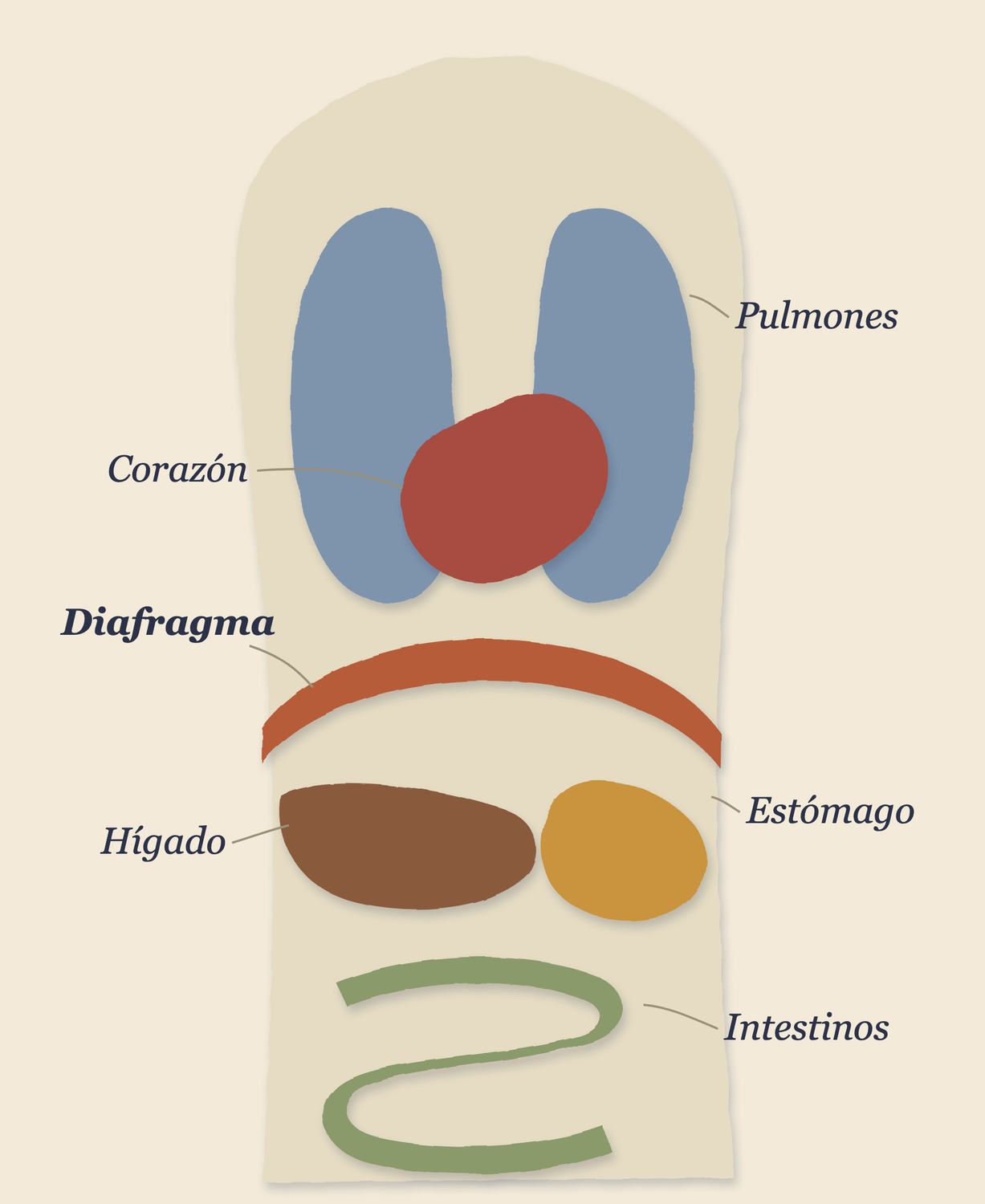
El protagonista de todo esto es el diafragma, el músculo principal de la respiración. Es un músculo ancho y delgado que atraviesa tu torso de lado a lado, justo debajo de los pulmones, como un piso que separa dos niveles: arriba quedan los pulmones y el corazón; abajo, el estómago, el hígado y los intestinos. Tiene forma de domo, curvado hacia arriba.
The lead character in all of this is the diaphragm, the main muscle of breathing. It's a wide, thin muscle that spans your torso from side to side, just below the lungs, like a floor separating two levels: above are the lungs and heart; below, the stomach, the liver, and the intestines. It's shaped like a dome, curved upward.
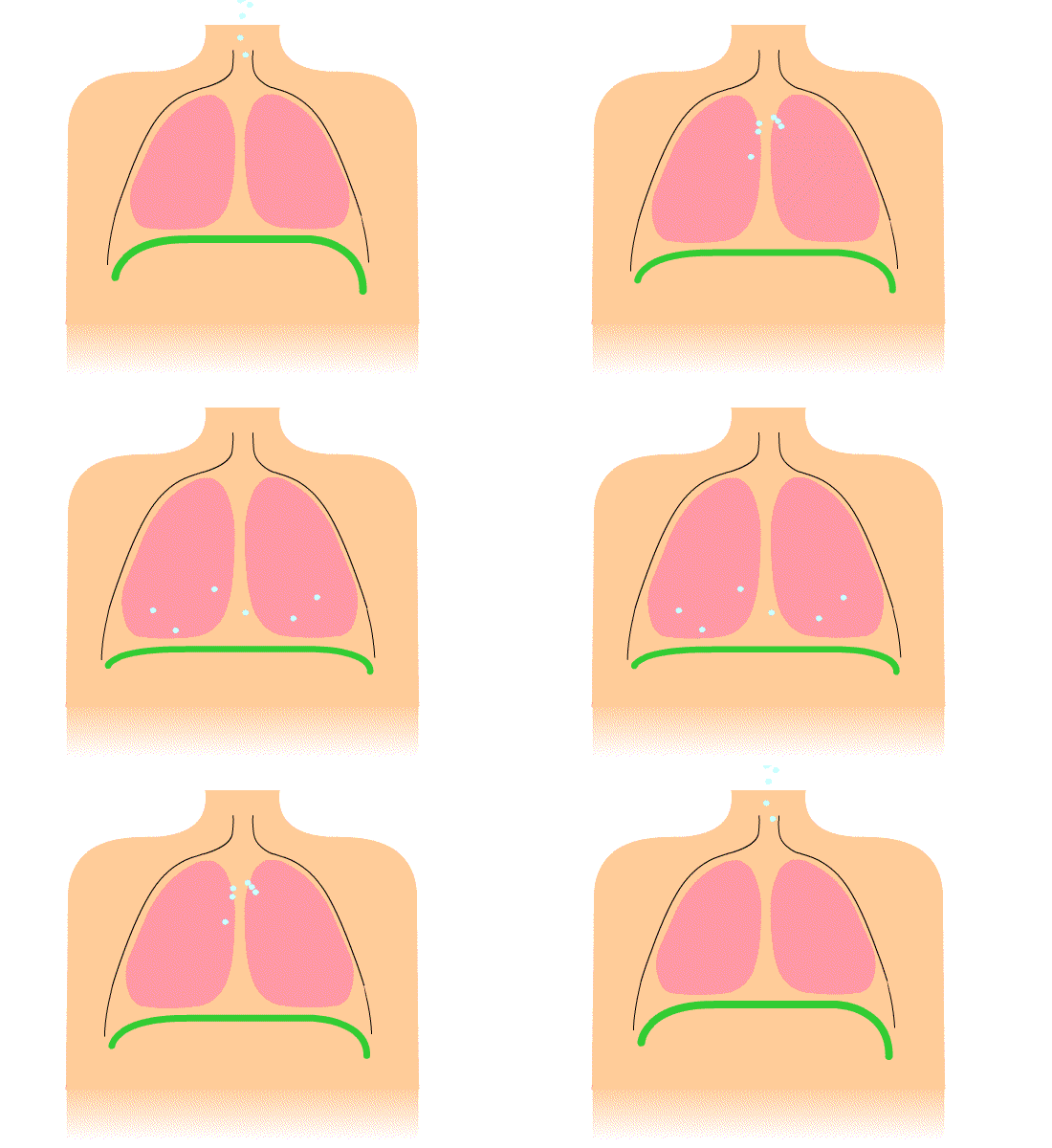
Cuando inhalas, ese domo se contrae y baja, y al bajar les abre espacio a los pulmones para que se llenen de aire. De paso empuja suavemente los órganos de abajo, y por eso el vientre se infla. Cuando exhalas, el diafragma se relaja, vuelve a subir, y el aire sale.
When you inhale, that dome contracts and drops, and as it drops it opens space for the lungs to fill with air. Along the way it gently presses the organs below, which is why the belly rises. When you exhale, the diaphragm relaxes, lifts back up, and the air flows out.
La señal de que el diafragma está haciendo bien su trabajo es un vientre que se infla al inhalar y se desinfla al exhalar.
The sign that the diaphragm is doing its job well is a belly that rises on the inhale and falls on the exhale.
El detalle importante es que el nervio vago y sus ramas atraviesan y rodean esta zona, y los receptores de estiramiento de los pulmones responden especialmente a las respiraciones profundas y lentas. La respiración diafragmática —la del bebé dormido, la del vientre que sube y baja— estimula esa red mucho más que la respiración corta y alta del pecho. Un ensayo controlado encontró que ocho semanas de entrenamiento en respiración diafragmática mejoraron la atención sostenida y redujeron el cortisol —la principal hormona del estrés— en adultos sanos (Ma et al., Frontiers in Psychology, 2017).
The important detail is that the vagus nerve and its branches cross and wrap around this area, and the stretch receptors in the lungs respond especially to deep, slow breaths. Diaphragmatic breathing —the breath of a sleeping baby, of the belly rising and falling— stimulates that network far more than the short, high breath of the chest. A controlled trial found that eight weeks of diaphragmatic breathing training improved sustained attention and lowered cortisol —the main stress hormone— in healthy adults (Ma et al., Frontiers in Psychology, 2017).
La evidencia: qué pasa cuando respiras lentoThe evidence: what happens when you breathe slow
Una revisión sistemática de la Universidad de Pisa reunió los estudios sobre respiración lenta (menos de diez respiraciones por minuto) en personas sanas y encontró un patrón consistente: aumento de la variabilidad cardíaca, aumento de la actividad alfa en el electroencefalograma —el ritmo cerebral asociado a la calma alerta—, y reducción reportada de ansiedad, enojo y activación, con incremento de la sensación de confort y relajación (Zaccaro et al., Frontiers in Human Neuroscience, 2018).
A systematic review from the University of Pisa gathered the studies on slow breathing (fewer than ten breaths per minute) in healthy people and found a consistent pattern: increased heart rate variability, increased alpha activity on the electroencephalogram —the brain rhythm linked to alert calm— and reported reductions in anxiety, anger, and arousal, along with a greater sense of comfort and relaxation (Zaccaro et al., Frontiers in Human Neuroscience, 2018).
En 2023, un estudio de Stanford Medicine comparó durante un mes tres técnicas de respiración de cinco minutos diarios contra meditación mindfulness. Las tres mejoraron el estado de ánimo, pero la más eficaz fue el suspiro cíclico (cyclic sighing), una técnica centrada en la exhalación prolongada: superó a la meditación en la mejora del ánimo y en la reducción de la frecuencia respiratoria en reposo (Balban et al., Cell Reports Medicine, 2023). El paso a paso del suspiro cíclico viene más adelante, en la sección de prácticas.
In 2023, a study from Stanford Medicine compared three five-minute daily breathing techniques against mindfulness meditation over the course of a month. All three improved mood, but the most effective was cyclic sighing, a technique built around the extended exhale: it outperformed meditation in lifting mood and in lowering resting breathing rate (Balban et al., Cell Reports Medicine, 2023). The step-by-step for cyclic sighing comes later, in the practices section.
Lo que el yoga ya sabíaWhat yoga already knew
En la tradición del yoga, este territorio se llama prāṇāyāma: de prāṇa (energía vital, aliento) y āyāma (expansión, regulación). Es la cuarta de las ocho ramas del yoga descritas por Patañjali en los Yoga Sūtras (siglos II–IV), donde se define como la regulación de la inhalación, la exhalación y la pausa, y se le atribuye un efecto preciso: volver la mente apta para la concentración. Ya en el primer capítulo (sūtra 1.34), Patañjali ofrece la exhalación prolongada y la pausa suave como método directo para serenar la mente (trad. Edwin Bryant, The Yoga Sūtras of Patañjali, 2009).
In the yoga tradition, this territory is called prāṇāyāma: from prāṇa (vital energy, breath) and āyāma (expansion, regulation). It's the fourth of the eight limbs of yoga described by Patañjali in the Yoga Sūtras (2nd–4th centuries), where it's defined as the regulation of the inhale, the exhale, and the pause, and is credited with a precise effect: making the mind fit for concentration. As early as the first chapter (sūtra 1.34), Patañjali offers the extended exhale and the gentle pause as a direct method for settling the mind (trans. Edwin Bryant, The Yoga Sūtras of Patañjali, 2009).
Lo que la tradición llamó energía, la ciencia hoy lo llama nervios y neurotransmisores. Pero los dos están describiendo lo mismo: que la respiración y la mente son una sola cosa, vista desde dos lados. El yoga llegó a esa verdad como llega el arte: observando, practicando y afinando durante siglos, mucho antes de que existieran los aparatos para medirla.
What the tradition called energy, science today calls nerves and neurotransmitters. But both are describing the same thing: that the breath and the mind are a single thing, seen from two sides. Yoga arrived at that truth the way art does: by observing, practicing, and refining over centuries, long before the instruments existed to measure it.
El espejoThe mirror
Tu respiración cuenta, en todo momento, cómo estás. Y al mismo tiempo es la única parte de todo ese sistema automático que puedes manejar tú. No necesitas creer en nada para usarla: la conexión entre la respiración y el cerebro ya está demostrada. Lo único que hace falta es lo que el yoga propone desde hace siglos: darte cuenta de cómo estás respirando y, cuando lo necesites, respirar más lento. El espejo siempre está ahí. Aprender a mirarlo es la práctica.
Your breath tells, at every moment, how you are. And at the same time it's the only part of that whole automatic system that you can steer yourself. You don't need to believe in anything to use it: the connection between the breath and the brain is already proven. All it takes is what yoga has proposed for centuries: noticing how you're breathing and, when you need to, breathing slower. The mirror is always there. Learning to look at it is the practice.
Tres prácticas para empezar hoyThree practices to start today
1. El suspiro cíclico1. Cyclic sighing
Inhala por la nariz y, cuando sientas que ya no cabe más aire, haz una segunda inhalación corta encima, como un sorbo más. Luego suelta todo el aire por la boca, en una exhalación larga y sin prisa, hasta vaciarte. Eso es un ciclo completo. En el estudio de Stanford, los participantes repitieron este ciclo —una respiración tras otra— durante cinco minutos al día. La segunda inhalación reabre los pequeños sacos de aire de los pulmones que tienden a colapsarse, y la exhalación larga activa el freno del que ya hablamos.
Inhale through the nose and, when it feels like no more air will fit, take a second short inhale on top, like one more sip. Then release all the air through the mouth in a long, unhurried exhale, until you're empty. That's one full cycle. In the Stanford study, participants repeated this cycle —one breath after another— for five minutes a day. The second inhale reopens the small air sacs in the lungs that tend to collapse, and the long exhale engages the brake we already talked about.
También funciona como herramienta de rescate en el momento: de uno a cinco ciclos bastan para bajar la activación —antes de una conversación difícil, en el tráfico, en mitad de una postura que te cuesta. Una nota para la práctica: si estás en una asana, haz la exhalación por la nariz, que es como se respira en el yoga. El efecto calmante se mantiene mientras la exhalación sea larga; la boca solo permite soltar el aire más rápido.
It also works as a rescue tool in the moment: one to five cycles are enough to lower your arousal —before a hard conversation, in traffic, in the middle of a posture that challenges you. A note for practice: if you're in an asana, exhale through the nose, which is how you breathe in yoga. The calming effect holds as long as the exhale is long; the mouth simply lets the air out faster.
2. Exhalación alargada (1:2)2. Extended exhale (1:2)
Inhala por la nariz contando 4 y exhala por la nariz contando 6, 7 u 8 —lo que sea cómodo, sin forzar ni quedarte sin aire. Sostén el patrón de tres a cinco minutos. El ideal es llegar a exhalar el doble de lo que inhalas (4 y 8), pero si eso te cuesta, basta con que la exhalación sea un poco más larga que la inhalación. Recuerda el mecanismo: el corazón se frena al exhalar.
Inhale through the nose for a count of 4 and exhale through the nose for a count of 6, 7, or 8 —whatever feels comfortable, without forcing or running out of air. Hold the pattern for three to five minutes. The ideal is to exhale for twice as long as you inhale (4 and 8), but if that's hard, it's enough for the exhale to be just a little longer than the inhale. Remember the mechanism: the heart slows on the exhale.
3. Respiración en resonancia (~6 por minuto)3. Resonance breathing (~6 per minute)
Inhala contando 5 y exhala contando 5, de forma suave y continua, idealmente con el vientre (una mano sobre el abdomen ayuda a sentirlo subir y bajar). Diez minutos en este ritmo llevan la variabilidad cardíaca a su máximo. Es una práctica de fondo, ideal antes de dormir o como preparación para meditar. En el yoga, este ritmo parejo entre inhalación y exhalación se conoce como sama vṛtti (fluctuación igual).
Inhale for a count of 5 and exhale for a count of 5, smoothly and continuously, ideally with the belly (a hand on the abdomen helps you feel it rise and fall). Ten minutes at this rhythm bring heart rate variability to its peak. It's a foundational practice, ideal before sleep or as preparation for meditation. In yoga, this even rhythm between inhale and exhale is known as sama vṛtti (equal fluctuation).
Una nota de cuidado: si existe una condición respiratoria o cardiovascular, embarazo, o historial de pánico, conviene introducir estas prácticas gradualmente y con acompañamiento. Ninguna técnica de respiración sustituye tratamiento médico o psicológico.
A note of caution: if there's a respiratory or cardiovascular condition, pregnancy, or a history of panic, it's best to introduce these practices gradually and with guidance. No breathing technique replaces medical or psychological treatment.
ReferenciasReferences
- Yackle, K., Schwarz, L. A., Kam, K., Sorokin, J. M., Huguenard, J. R., Feldman, J. L., Luo, L. y Krasnow, M. A. (2017). Breathing control center neurons that promote arousal in mice. Science, 355(6332), 1411–1415. doi:10.1126/science.aai7984
- Balban, M. Y., Neri, E., Kogon, M. M., Weed, L., Nouriani, B., Jo, B., Holl, G., Zeitzer, J. M., Spiegel, D. y Huberman, A. D. (2023). Brief structured respiration practices enhance mood and reduce physiological arousal. Cell Reports Medicine, 4(1), 100895. doi:10.1016/j.xcrm.2022.100895
- Zaccaro, A., Piarulli, A., Laurino, M., Garbella, E., Menicucci, D., Neri, B. y Gemignani, A. (2018). How breath-control can change your life: A systematic review on psycho-physiological correlates of slow breathing. Frontiers in Human Neuroscience, 12, 353. doi:10.3389/fnhum.2018.00353
- Ma, X., Yue, Z. Q., Gong, Z. Q., Zhang, H., Duan, N. Y., Shi, Y. T., Wei, G. X. y Li, Y. F. (2017). The effect of diaphragmatic breathing on attention, negative affect and stress in healthy adults. Frontiers in Psychology, 8, 874. doi:10.3389/fpsyg.2017.00874
- Lehrer, P. M. y Gevirtz, R. (2014). Heart rate variability biofeedback: how and why does it work? Frontiers in Psychology, 5, 756. doi:10.3389/fpsyg.2014.00756
- Porges, S. W. (2011). The Polyvagal Theory: Neurophysiological Foundations of Emotions, Attachment, Communication, and Self-Regulation. W. W. Norton.
- Bryant, E. F. (2009). The Yoga Sūtras of Patañjali: A New Edition, Translation, and Commentary. North Point Press. (Sūtras 1.34 y 2.49–2.53.)
- Svātmārāma. Haṭha Yoga Pradīpikā, cap. 2, v. 2. (Texto sánscrito del siglo XV; existen múltiples traducciones, entre ellas la de Brian Dana Akers, YogaVidya, 2002.)
Créditos de imágenes: Diagrama del sistema nervioso y diagrama del sistema parasimpático: OpenStax College, Anatomy & Physiology (CC BY 4.0), vía Wikimedia Commons; etiquetas traducidas al español. Animación de respiración diafragmática: Wikimedia Commons, dominio público. Las ilustraciones del sistema nervioso, del nervio vago y del diafragma son propias.
Image credits: Nervous system diagram and parasympathetic system diagram: OpenStax College, Anatomy & Physiology (CC BY 4.0), via Wikimedia Commons; labels translated into Spanish. Diaphragmatic breathing animation: Wikimedia Commons, public domain. The illustrations of the nervous system, the vagus nerve, and the diaphragm are our own.