Por NuzaBy Nuza
«La respiración es el puente entre el cuerpo y la mente.»"The breath is the bridge between the body and the mind." T. K. V. Desikachar, El corazón del yoga (1995)T. K. V. Desikachar, The Heart of Yoga (1995)
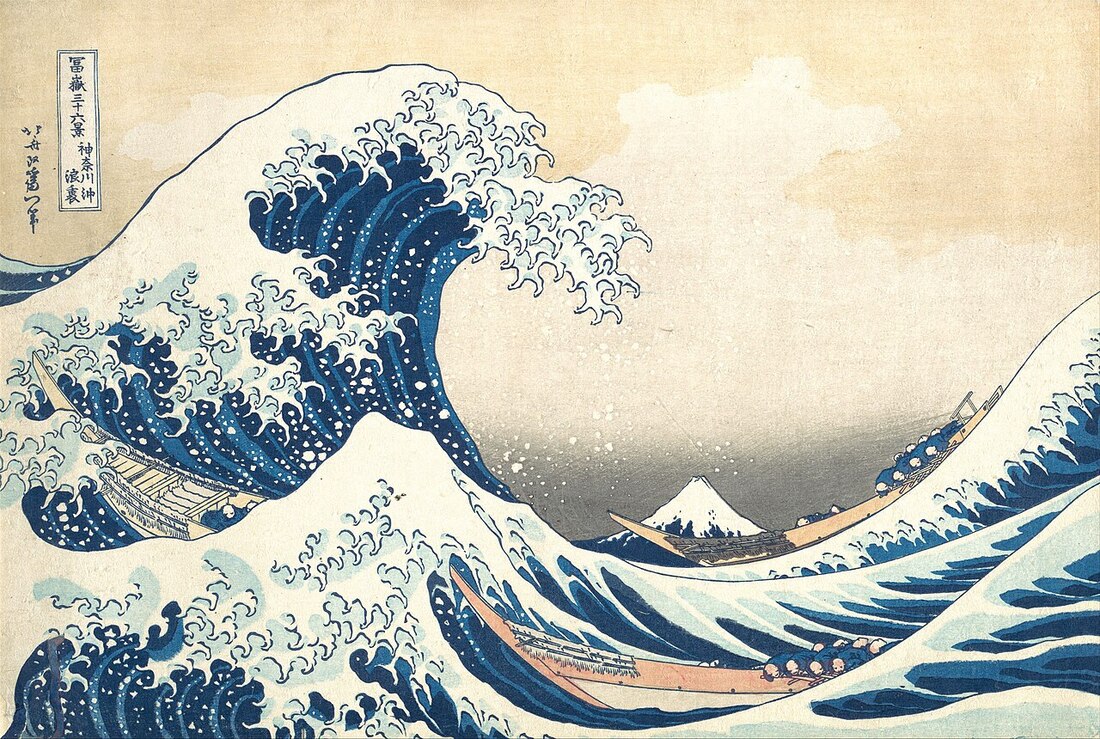
En algunas clases —vinyasa, ashtanga, power, rocket— llega un momento en que el maestro dice «respira con sonido», y el salón entero empieza a sonar como un mar lejano: un susurro grave que entra y sale al ritmo del movimiento. En otras clases —yin, restaurativo, meditación, sound healing— nadie menciona nada de eso, y la respiración se queda callada.
In some classes —vinyasa, ashtanga, power, rocket— there comes a moment when the teacher says "breathe with sound," and the whole room starts to sound like a distant sea: a low whisper coming in and going out with the rhythm of the movement. In other classes —yin, restorative, meditation, sound healing— no one mentions any of that, and the breath stays quiet.
Esa respiración con sonido se llama ujjayi: es la respiración del yoga en movimiento. En este artículo vamos a ver qué es, cómo se hace (todo pasa en la garganta), qué le hace de verdad a tu cuerpo y por qué ayuda justo cuando estás fluyendo y la postura aprieta.
That breath with sound is called ujjayi: it's the breath of yoga in motion. In this article we'll look at what it is, how it's done (it all happens in the throat), what it really does to your body, and why it helps right when you're flowing and the posture gets tight.
Una llave en la gargantaA valve in the throat
La palabra ujjayi viene del sánscrito ud (hacia arriba, expansión) y ji (vencer): suele traducirse como «la respiración victoriosa». Pero lo que la define no es el nombre, sino dónde ocurre: en la garganta.
The word ujjayi comes from the Sanskrit ud (upward, expansion) and ji (to conquer): it's usually translated as "the victorious breath." But what defines it isn't the name, it's where it happens: in the throat.
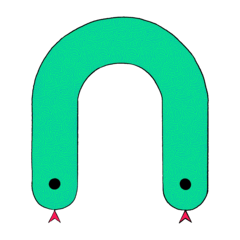
En la parte alta de tu garganta hay una válvula que se llama glotis. Es la que cierras sin pensar cuando aguantas la respiración, cuando tragas o cuando pujas. En ujjayi no la cierras del todo: la entrecierras apenas, dejando un paso estrecho. El aire tiene que pasar por ahí apretado, roza las paredes y vibra — y de esa vibración nace el sonido, ese «jaaa» grave y suave que recuerda al océano o a la respiración de alguien dormido.
At the top of your throat there's a valve called the glottis. It's the one you close without thinking when you hold your breath, when you swallow, or when you bear down. In ujjayi you don't close it all the way: you narrow it just slightly, leaving a thin passage. The air has to squeeze through there, brushing the walls and vibrating — and from that vibration the sound is born, that soft, low "haaa" that recalls the ocean or the breath of someone asleep.
La boca se queda cerrada y el aire entra y sale por la nariz, pero el sonido no se hace en la nariz: se hace en la garganta. Es importante, porque ahí está la diferencia con simplemente respirar fuerte.
The mouth stays closed and the air comes in and out through the nose, but the sound isn't made in the nose: it's made in the throat. That matters, because that's the difference from simply breathing loudly.
La forma más fácil de encontrarlo: abre la boca y empaña un espejo imaginario con un «haaa» largo, como si echaras vaho a un vidrio. ¿Sientes ese roce en la garganta? Ahora haz lo mismo pero con la boca cerrada, respirando por la nariz, manteniendo esa misma forma en la garganta. En la inhalación es igual pero al revés: como si succionaras el aire hacia dentro por esa misma garganta entrecerrada, con ese mismo roce suave. Eso es ujjayi.
The easiest way to find it: open your mouth and fog up an imaginary mirror with a long "haaa," as if you were breathing onto glass. Do you feel that friction in the throat? Now do the same with your mouth closed, breathing through the nose, keeping that same shape in the throat. The inhale is the same but in reverse: as if you were drawing the air inward through that same narrowed throat, with that same soft friction. That's ujjayi.
Por qué suenaWhy it makes a sound
El sonido no es el objetivo; es información. Y resulta tremendamente útil por dos razones.
The sound isn't the goal; it's information. And it turns out to be tremendously useful for two reasons.
La primera: te da un metrónomo incorporado. En los estilos dinámicos, la respiración manda y el movimiento la sigue —una respiración, un movimiento—; a eso se le llama vinyasa. Como el ujjayi se oye, puedes marcar el ritmo con el oído: alargas la inhalación mientras subes los brazos, alargas la exhalación mientras te pliegas. El sonido vuelve audible algo que normalmente es invisible, y así el movimiento sigue a la respiración, y no al revés.
The first: it gives you a built-in metronome. In dynamic styles, the breath leads and the movement follows —one breath, one movement—; that's called vinyasa. Because ujjayi can be heard, you can set the rhythm by ear: you lengthen the inhale as you raise your arms, you lengthen the exhale as you fold. The sound makes audible something that's usually invisible, so the movement follows the breath, and not the other way around.
La segunda: te da un ancla para la atención. Tener un sonido constante y propio al que volver es una de las formas más simples de recoger la mente hacia dentro en lugar de dispersarla en el salón. El oído deja de perseguir ruidos de afuera y se queda en tu propia ola. Por eso, en plena secuencia, el ujjayi hace que la práctica se sienta más concentrada y menos mecánica.
The second: it gives you an anchor for attention. Having a steady sound of your own to return to is one of the simplest ways to gather the mind inward instead of scattering it around the room. The ear stops chasing outside noises and stays with your own wave. That's why, in the middle of a sequence, ujjayi makes the practice feel more focused and less mechanical.
Qué le hace a tu cuerpo (lo que dice la ciencia)What it does to your body (what the science says)
El mecanismo es sencillo: al estrechar la garganta creas resistencia. El aire pasa más despacio, así que cada respiración se vuelve naturalmente más larga, y la presión dentro del pecho sube un poco. Es el mismo principio que la «respiración con labios fruncidos» que se enseña en rehabilitación respiratoria: poner un pequeño obstáculo para alargar y ordenar el aire.
The mechanism is simple: by narrowing the throat you create resistance. The air moves more slowly, so each breath naturally becomes longer, and the pressure inside the chest rises a little. It's the same principle as the "pursed-lip breathing" taught in respiratory rehabilitation: placing a small obstacle to lengthen and order the air.
Además, ese aire que pasa más despacio se aprovecha mejor: estudios sobre respiración lenta con ujjayi registran una ligera mejora en la oxigenación (Mason et al., 2013).
What's more, that slower-moving air is used more efficiently: studies on slow breathing with ujjayi record a slight improvement in oxygenation (Mason et al., 2013).
El verdadero superpoder: control cuando hay esfuerzoThe real superpower: control under effort
Piensa en lo primero que se rompe cuando una postura se pone difícil: la respiración. La aguantas sin darte cuenta, o se vuelve corta y entrecortada. Y cuando la respiración se quiebra, todo lo demás se tensa.
Think about the first thing that breaks down when a posture gets hard: the breath. You hold it without noticing, or it turns short and choppy. And when the breath breaks down, everything else tightens up.
El ujjayi resuelve justo eso. Como pasa por un paso estrecho, es casi imposible tragar aire de golpe: te obliga a mantener una respiración larga y pareja aunque el cuerpo esté trabajando duro. Y como se oye, se convierte en un termómetro: mientras el sonido sea liso y continuo, estás en tu rango; en el momento en que se vuelve áspero, irregular, o ya no puedes sostenerlo, esa es la señal de que te pasaste de tu límite — y toca aflojar. Tu propia respiración te avisa antes de que el cuerpo se queje.
Ujjayi solves exactly that. Because it passes through a narrow opening, it's almost impossible to gulp air all at once: it forces you to keep a long, even breath even while the body is working hard. And because it can be heard, it becomes a thermometer: as long as the sound is smooth and continuous, you're within your range; the moment it turns rough, uneven, or you can no longer sustain it, that's the sign you've gone past your limit — and it's time to ease off. Your own breath warns you before the body complains.
Hay un efecto extra: el trabajo de la garganta y del aire genera calor. Por eso el ujjayi se siente bien al inicio de un flujo, cuando el cuerpo todavía está frío.
There's a bonus effect: the work of the throat and the air generates heat. That's why ujjayi feels good at the start of a flow, when the body is still cold.
De dónde vieneWhere it comes from
El ujjayi es antiguo. Los textos clásicos del haṭha yoga —la Haṭha Yoga Pradīpikā (siglo XV) y el Gheraṇḍa Saṁhitā— ya lo describen como una técnica de prāṇāyāma, la regulación del aliento. En esos textos es una práctica que se hace sentado y quieto, muchas veces con retención del aire; no nació para moverse.
Ujjayi is ancient. The classical texts of haṭha yoga —the Haṭha Yoga Pradīpikā (15th century) and the Gheraṇḍa Saṁhitā— already describe it as a prāṇāyāma technique, the regulation of the breath. In those texts it's a practice done seated and still, often with retention of the air; it wasn't born to move.
El salto al tapete en movimiento es mucho más reciente. En el siglo XX, el maestro Krishnamacharya y sus alumnos —entre ellos Pattabhi Jois, que sistematizó el ashtanga— entretejieron esa respiración audible con la secuencia de posturas. De ahí viene que hoy el vinyasa y el ashtanga «respiren ujjayi»: es una adaptación moderna de una técnica milenaria.
The leap to the moving mat is much more recent. In the 20th century, the teacher Krishnamacharya and his students —among them Pattabhi Jois, who systematized ashtanga— wove that audible breath into the sequence of postures. That's why today vinyasa and ashtanga "breathe ujjayi": it's a modern adaptation of an age-old technique.
No en todas las prácticasNot in every practice
Y aquí lo importante, para no confundirlo: el ujjayi es la herramienta del yoga dinámico, no de todo el yoga. En una clase de yin, en un restaurativo, en una meditación o en un sound healing, la idea es soltar y dejar que la respiración se vuelva blanda y silenciosa por sí sola. Forzar ahí el sonido de la garganta iría en contra de la quietud que esas prácticas buscan. Cada respiración tiene su momento: el ujjayi es para cuando te mueves.
And here's the important part, so you don't mix it up: ujjayi is the tool of dynamic yoga, not of all yoga. In a yin class, in a restorative, in a meditation, or in a sound healing, the idea is to let go and allow the breath to become soft and quiet on its own. Forcing the throat sound there would go against the stillness those practices are after. Every breath has its moment: ujjayi is for when you move.
Respirar por la garganta te da algo concreto y muy útil: una respiración que puedes oír, sostener y leer mientras te mueves. Un hilo de sonido al que volver cada vez que la postura —o la mente— te quieren sacar del momento.
Breathing through the throat gives you something concrete and very useful: a breath you can hear, sustain, and read while you move. A thread of sound to return to each time the posture —or the mind— tries to pull you out of the moment.
Para practicar hoyTo practice today
1. Encuentra el sonido1. Find the sound
Abre la boca y empaña un vidrio imaginario con un «haaa» largo, sintiendo el roce en la garganta. Hazlo dos o tres veces. Luego cierra la boca y respira por la nariz manteniendo esa misma forma en la garganta, en la inhalación y en la exhalación.
Open your mouth and fog up an imaginary pane of glass with a long "haaa," feeling the friction in the throat. Do it two or three times. Then close your mouth and breathe through the nose, keeping that same shape in the throat, on the inhale and on the exhale.
2. Llévalo al movimiento2. Take it into movement
Prueba en algo simple, como el gato–vaca o un saludo al sol lento. Inhala con sonido mientras te abres o subes; exhala con sonido mientras te pliegas o bajas. Una respiración, un movimiento. Deja que el aire mande y que el cuerpo lo siga, no al revés.
Try it with something simple, like cat–cow or a slow sun salutation. Inhale with sound as you open or rise; exhale with sound as you fold or lower. One breath, one movement. Let the air lead and the body follow, not the other way around.
3. Úsalo como termómetro3. Use it as a thermometer
En una postura que te cueste sostener, lleva la atención al sonido. Mientras siga liso y parejo, quédate. En cuanto se vuelva áspero o se corte, afloja un poco: tu respiración te está diciendo dónde está hoy tu límite. Esa es la práctica — no aguantar más, sino escuchar mejor.
In a posture that's hard to hold, bring your attention to the sound. As long as it stays smooth and even, stay. The moment it turns rough or cuts out, ease off a little: your breath is telling you where your limit is today. That's the practice — not holding out longer, but listening better.
Una nota de cuidado: el ujjayi sube ligeramente la presión dentro del pecho, así que si hay asma u otra condición respiratoria, presión alta o problemas del corazón, embarazo o glaucoma, conviene introducirlo poco a poco y con acompañamiento. Y si en cualquier momento te marea, vuelve a tu respiración normal: nunca se trata de forzar.
A note of caution: ujjayi slightly raises the pressure inside the chest, so if there's asthma or another respiratory condition, high blood pressure or heart problems, pregnancy, or glaucoma, it's best to introduce it little by little and with guidance. And if at any point it makes you dizzy, return to your normal breath: it's never about forcing.
ReferenciasReferences
- Mason, H., Vandoni, M., deBarbieri, G., Codrons, E., Ugargol, V. y Bernardi, L. (2013). Cardiovascular and respiratory effect of yogic slow breathing in the yoga beginner: what is the best approach? Evidence-Based Complementary and Alternative Medicine, 2013, 743504. PMC3655580 (Compara respiración lenta con y sin ujjayi.)(Compares slow breathing with and without ujjayi.)
- Zaccaro, A. et al. (2018). How breath-control can change your life: a systematic review on psycho-physiological correlates of slow breathing. Frontiers in Human Neuroscience, 12, 353. (Fisiología de la respiración lenta y la resistencia respiratoria.)(Physiology of slow breathing and respiratory resistance.)
- Saraswati, Swami Satyananda (1996). Asana Pranayama Mudra Bandha. Bihar School of Yoga. (Descripción técnica del ujjayi como prāṇāyāma.)(Technical description of ujjayi as prāṇāyāma.)
- Svātmārāma. Haṭha Yoga Pradīpikā, cap. 2, vv. 51–53. (Texto sánscrito del siglo XV; descripción clásica del ujjayi. Trad. de referencia: Brian Dana Akers, YogaVidya, 2002.)(15th-century Sanskrit text; classical description of ujjayi. Reference translation: Brian Dana Akers, YogaVidya, 2002.)
- Gheraṇḍa. Gheraṇḍa Saṁhitā. (Texto clásico del haṭha yoga; incluye el ujjayi entre los prāṇāyāmas.)(Classical haṭha yoga text; includes ujjayi among the prāṇāyāmas.)
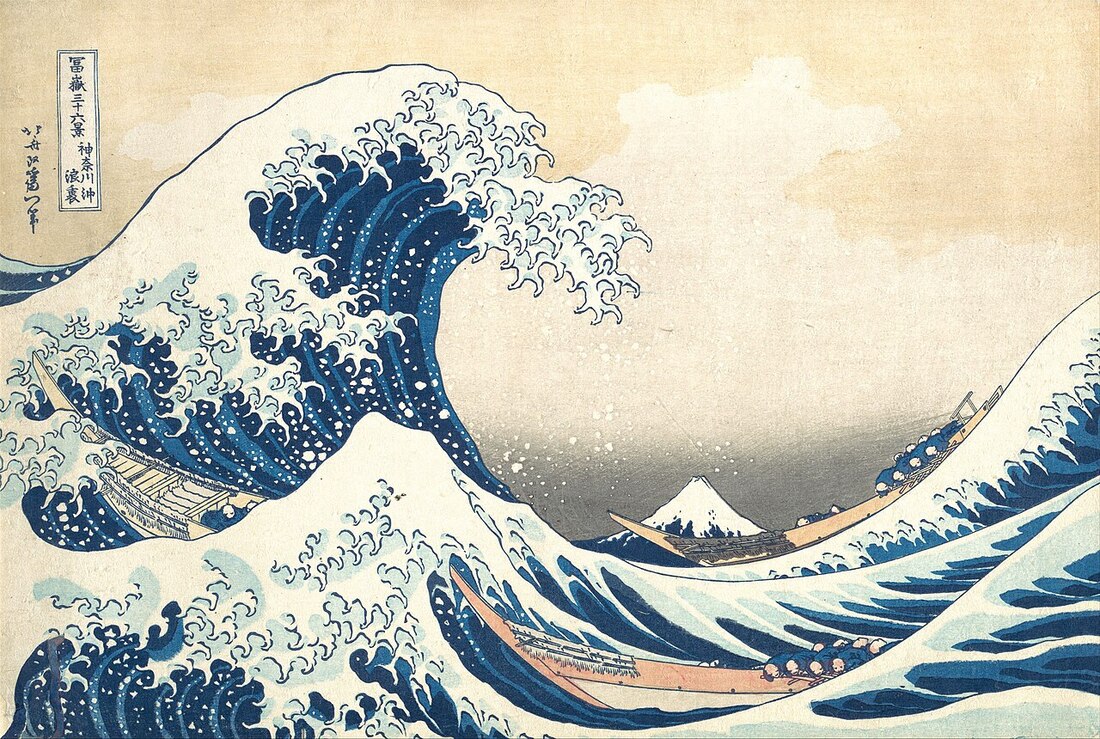
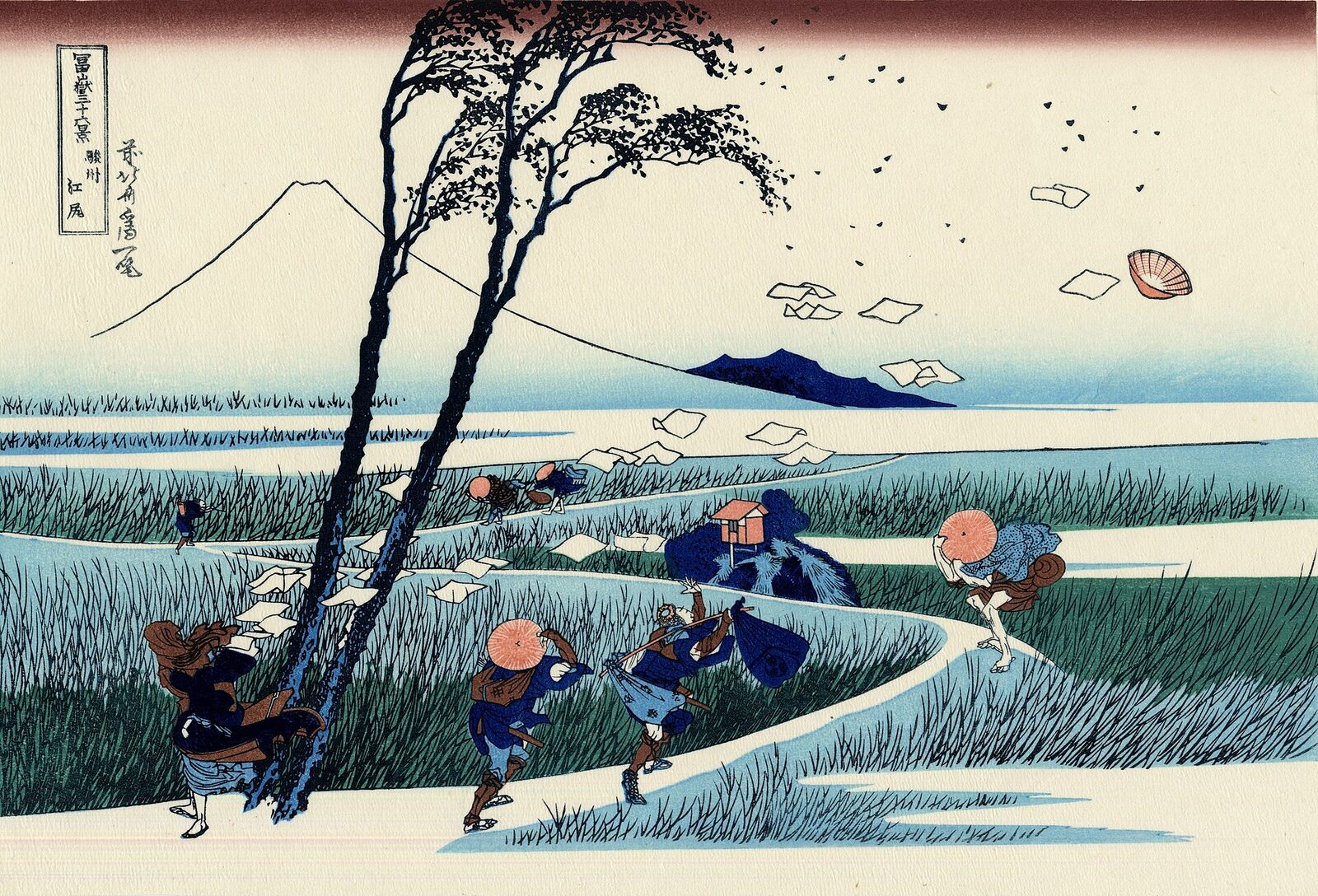
Créditos de imágenes: «La gran ola de Kanagawa» y «Una ráfaga repentina en Ejiri», de Katsushika Hokusai (serie Treinta y seis vistas del monte Fuji, c. 1831–1832), dominio público, vía Wikimedia Commons. La animación de la glotis es propia.
Image credits: "The Great Wave off Kanagawa" and "A Sudden Gust of Wind at Ejiri," by Katsushika Hokusai (series Thirty-six Views of Mount Fuji, c. 1831–1832), public domain, via Wikimedia Commons. The glottis animation is our own.